
VARANASI – A PERSONAL PILGRIMAGE
India has consumed my thoughts for what feels like an eternity. My quest to bring the essence of India closer to my heart led me to endless searches for its music, movies, and everything in between. Night after night, I would escape to the land of my dreams from the comfort of my own bed. Then, on an unassuming November day, my dream metamorphosed into reality, marking the genesis of the grandest adventure of my life. From Istanbul to New Delhi, the journey commenced. The very first encounter with this mesmerizing country shattered any illusion of preparedness I may have harbored. The early morning air was laden with smog that lingered in the nostrils, making each breath a struggle. Yet, a sip of exquisite tea at the airport offered a fleeting reprieve from the collision of cultures, exotic scents, and raw impressions that inundated my senses. After a night spent in a windowless room in the bustling Main Bazar area of Delhi, I departed from the city’s hive on a train bound for Varanasi – an eminent spiritual and religious nexus within India. Enduring a twelve-hour nocturnal odyssey, I at last set foot in this sacred city.
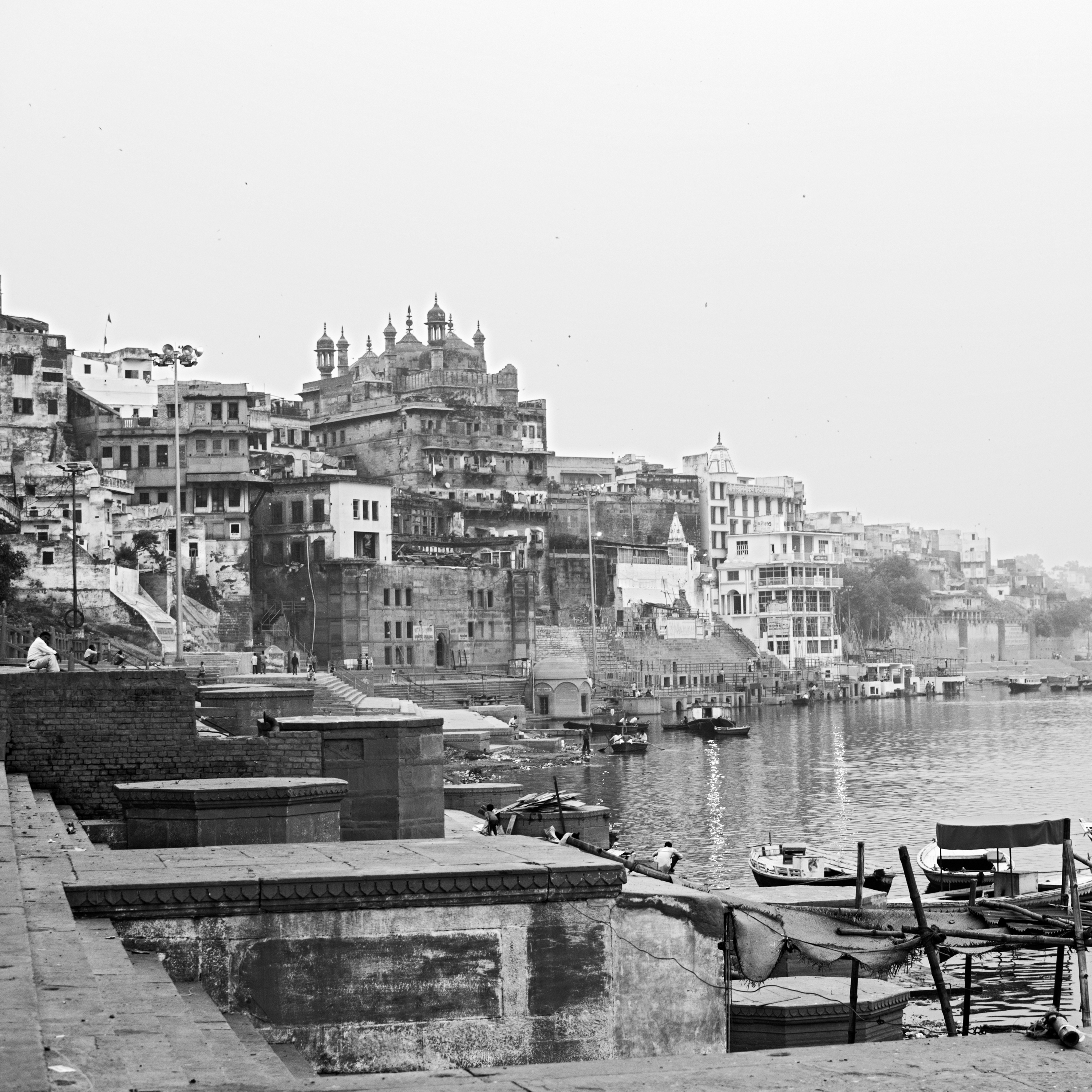
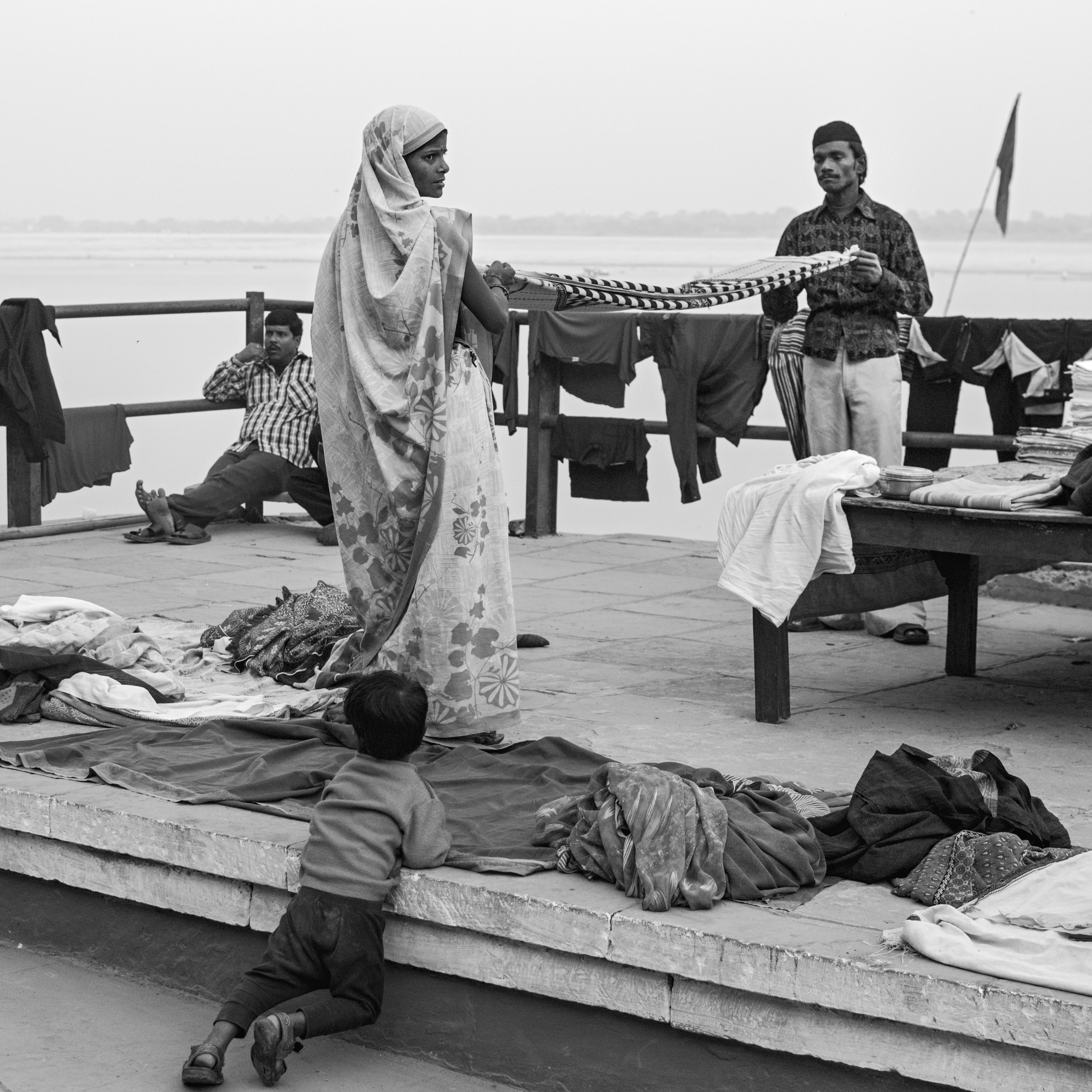
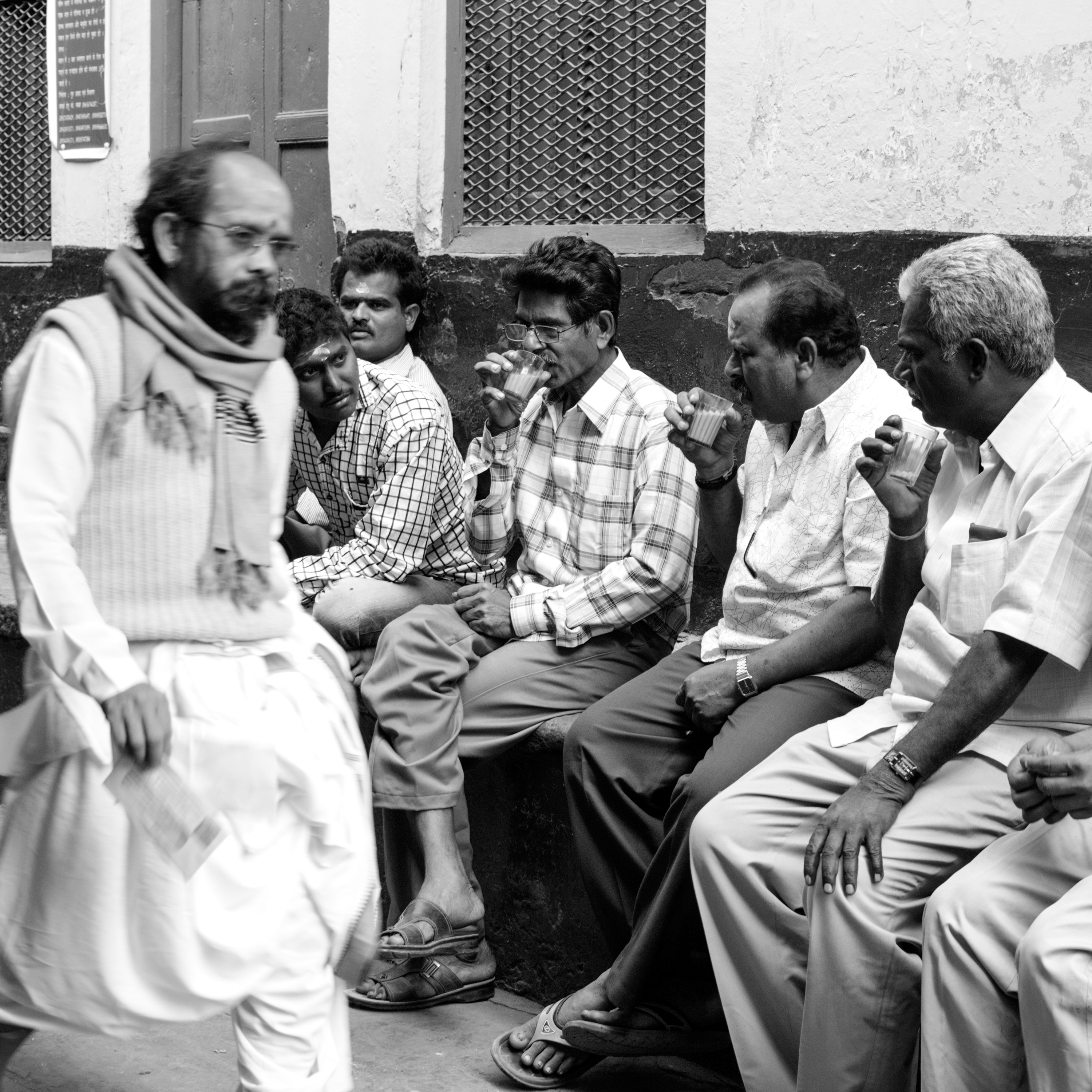
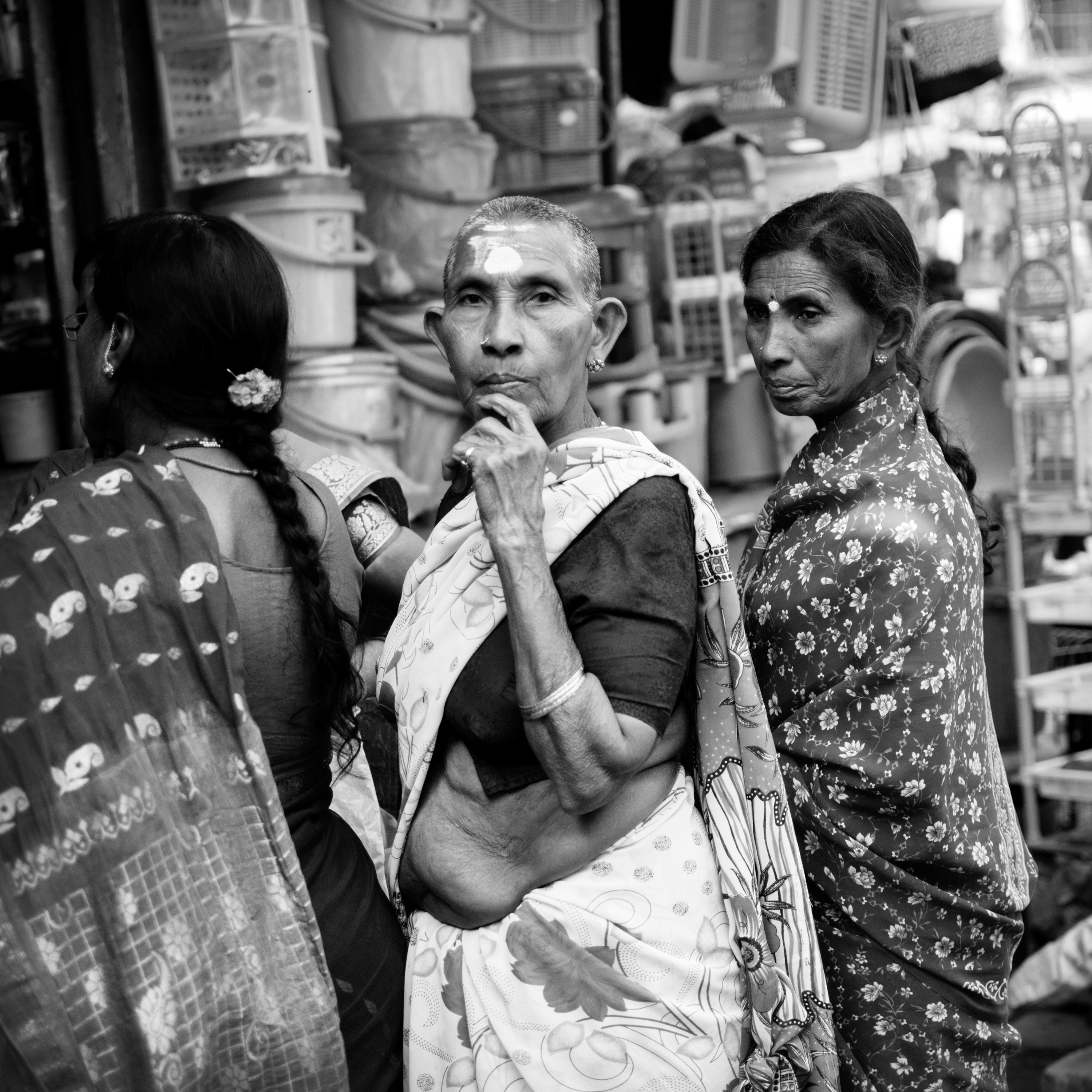
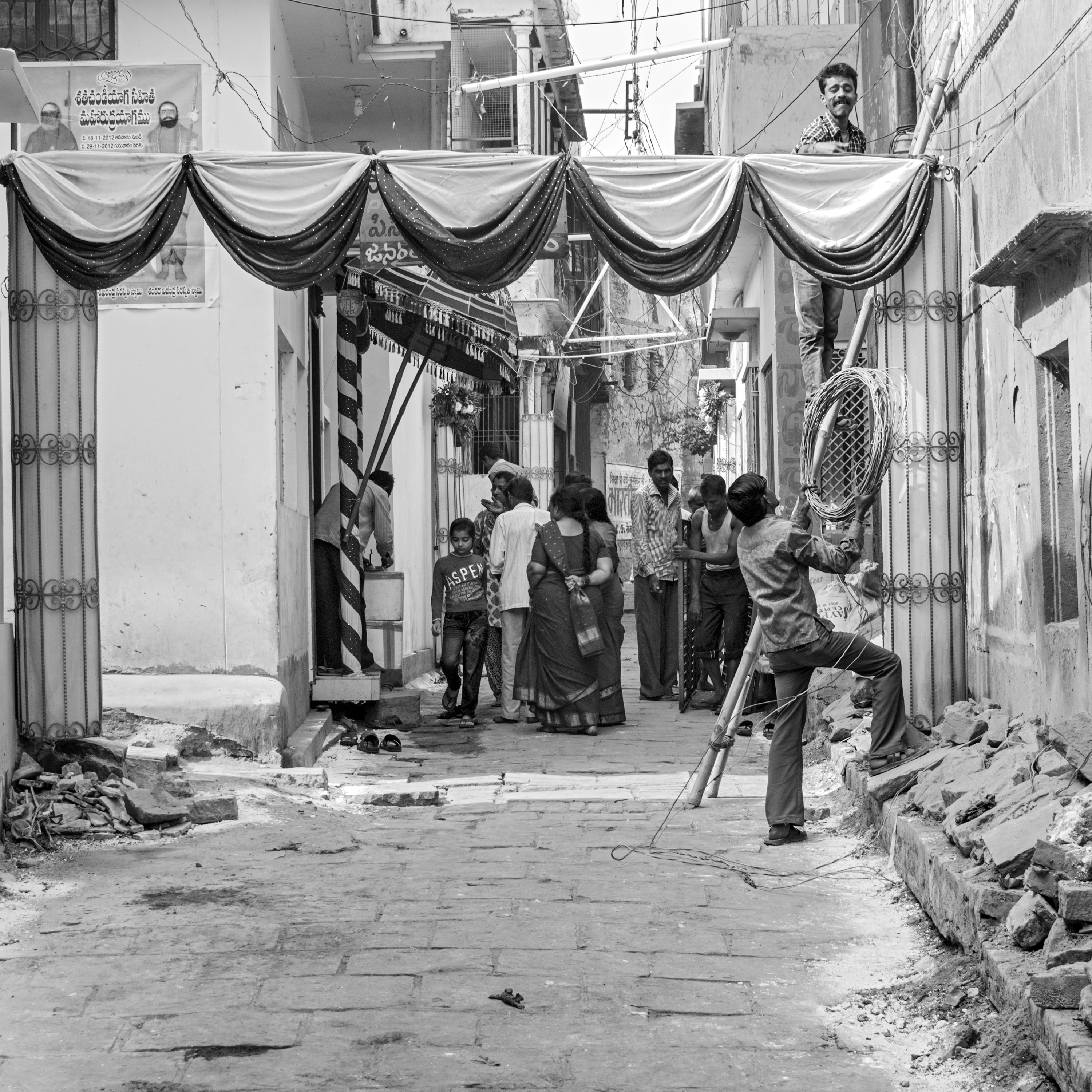
Varanasi embraces me with open arms, and the sight of being the sole white person at the railway station (aside from my husband who travels with me) brings a smile to my face. It’s a bit amusing, really. I find myself surrounded by children who eagerly tug at my sleeve, exclaiming, “We’re hungry, give us some money.” After an exhilarating rickshaw ride, I settle into accommodation in an old Brahman house, which will be my haven for the next two months. It takes a couple of days to acclimate to the extremely thin, hard bed. As I scurry from room to toilet, one thought incessantly lingers – why did I come here? Yet, somehow, I gather my resolve and venture out boldly to capture the everyday life of the denizens of this remarkable city. It’s like there are photo opportunities everywhere, each one exuding its own charm in its simplicity. Along the ghats of the sprawling Ganges River, a completely different life unfolds like a separate yet inseparable part of the city. People wash and dry laundry, engage in the morning and evening ritual bathing in the river, spend leisure time with friends and family, recite prayers, and carry out the cremation rituals for the departed. Witnessing the cremation is both captivating and somewhat surreal. As I watch the body engulfed in flames, the man standing beside me reveals that it is his late sister. There are no tears, no overt signs of grief. I almost envy him, as his faith gives him the strength to serenely accept the inevitability of the situation. It’s evident that the Hindu perspective on life and the afterlife is starkly different from the Western outlook. Since photographing the burning bodies is prohibited, the memories are etched in my mind.

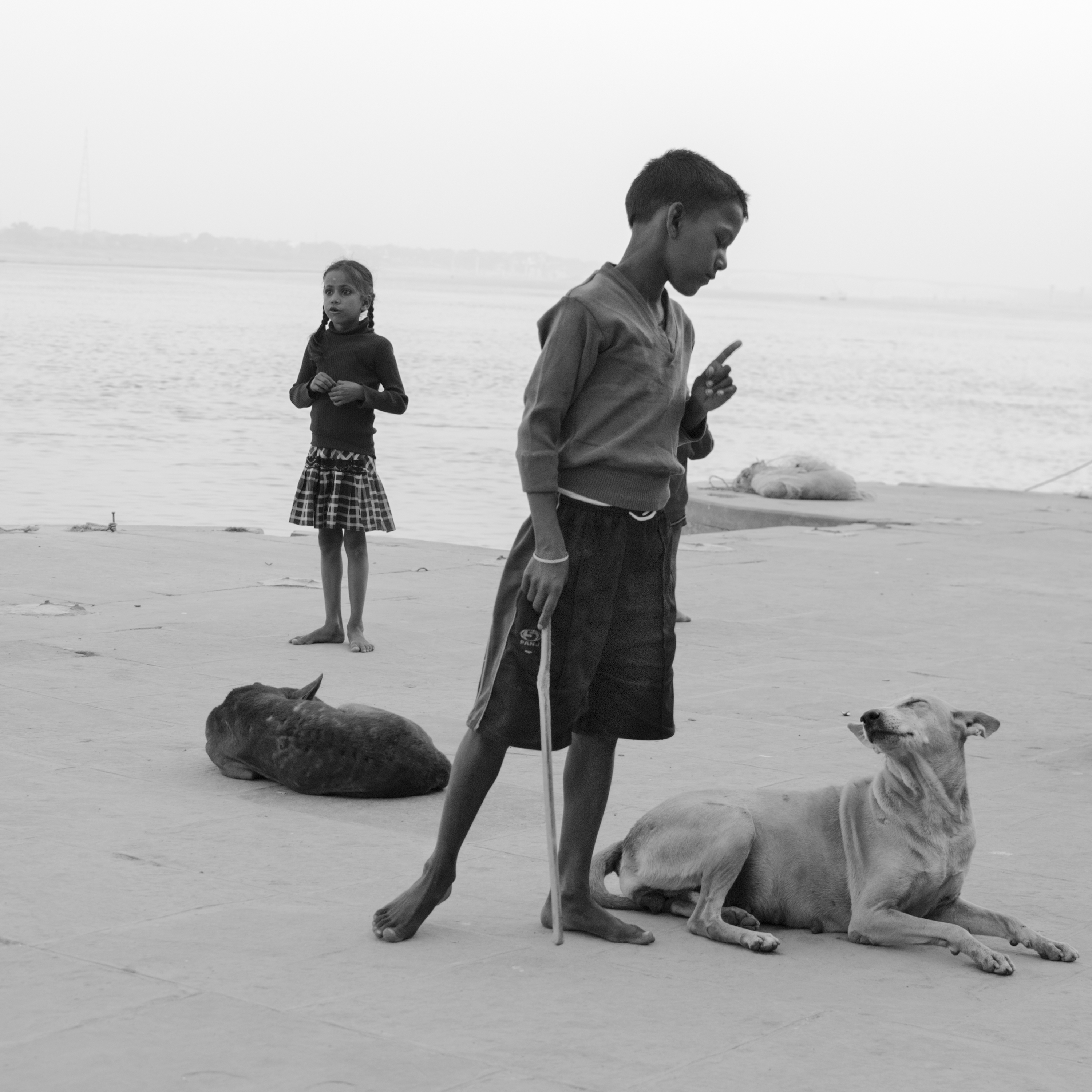
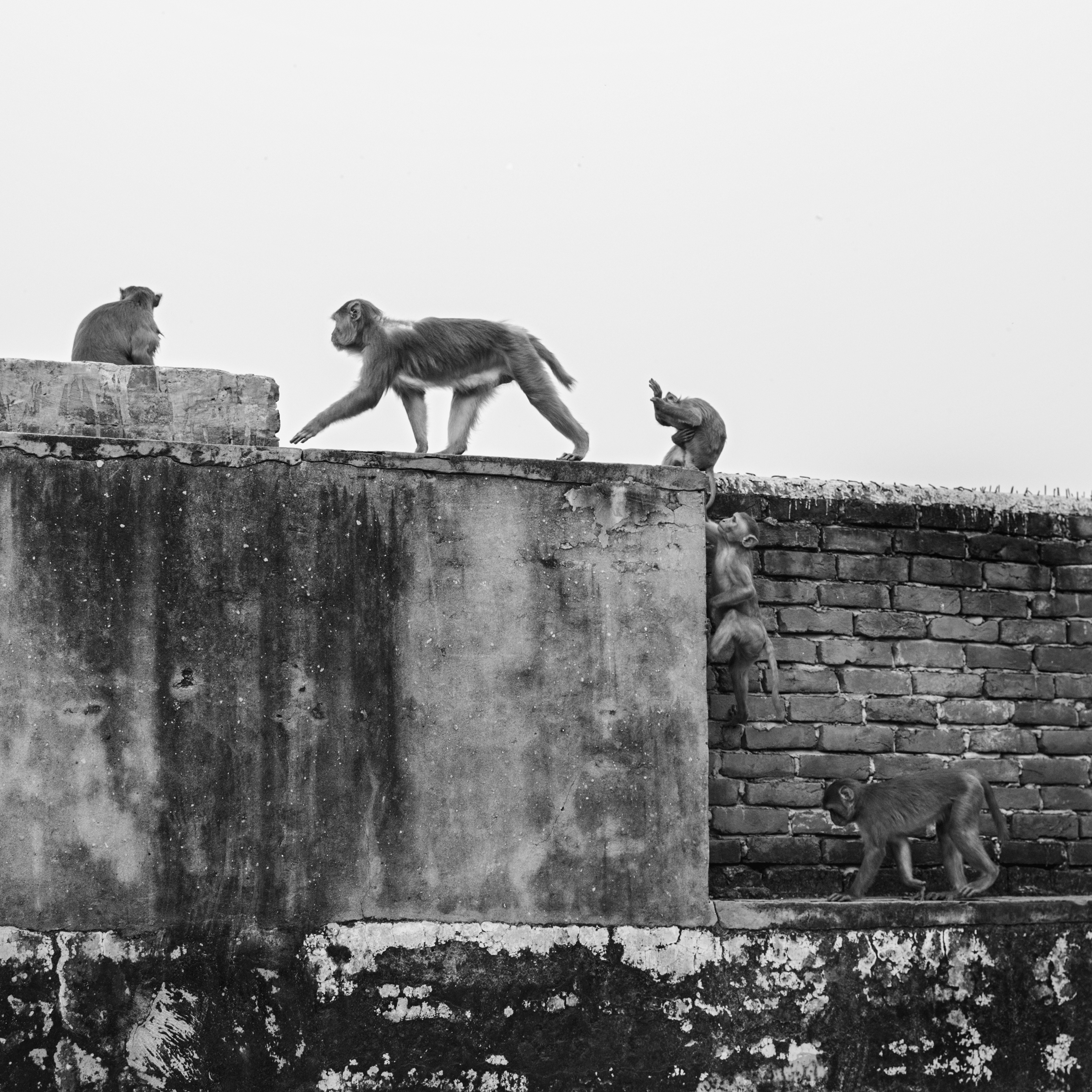
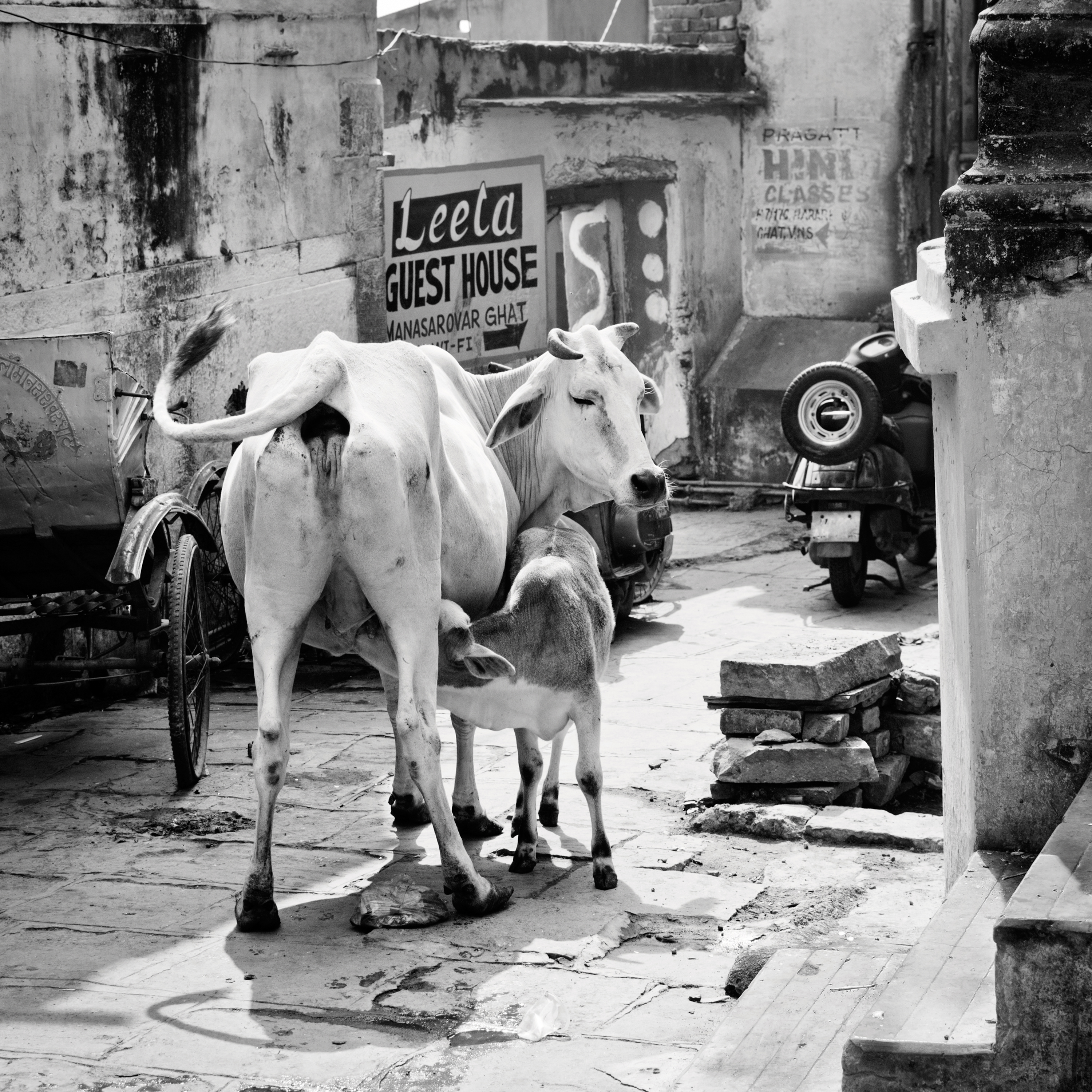
“In our city, the population plays second fiddle to the abundance of monkeys swinging through the electrical cables, wreaking havoc and occasionally meeting a tragic shock-induced demise,” the local elder confides. As we ponder this phenomenon, a multitude of cows leisurely stroll past us, each representing the unique ownership but sharing the liberty to wander. “These revered animals hold sacred significance in Hinduism, often taking center stage in sacred rituals,” the man elaborates. A similar spirit permeates the local dogs, who roam freely by night and slumber peacefully during the day, blending seamlessly with the predominantly vegetarian community. It’s an amusing sight to witness a canine munching on tomatoes, leading one to ponder, “My own dog would never indulge in such a treat.”
Some days, I compel myself to leave the confines of my room, and without fail, I coerce myself into venturing out onto the bustling streets to capture moments through the lens of my camera. Once again, I find myself immersed in the labyrinthine alleyways, positioning myself behind the camera to chronicle the unfiltered essence of everyday city life. It’s an overwhelming amalgamation of scents – the pungent odor of dog urine intertwined with the alluring aroma of Indian cuisine, the lingering fragrance of incense sticks, and the unmistakable stench of cow faeces. The mixture is so potent that it induces a sense of queasiness, yet I persevere. Amidst this sensory symphony, I encounter the tranquil sadhus – individuals of unfathomable serenity whose presence serves as an affirmation of their genuine existence. Nevertheless, my focus is drawn to the self-proclaimed sadhus, whom I readily discern as impostors due to their exploitation of unsuspecting tourists, peddling a purported path to “enlightenment” in exchange for monetary gain. It’s disheartening to witness how easily a vulnerable, young soul can be lured into embracing a doctrine they scarcely comprehend in their quest for salvation.
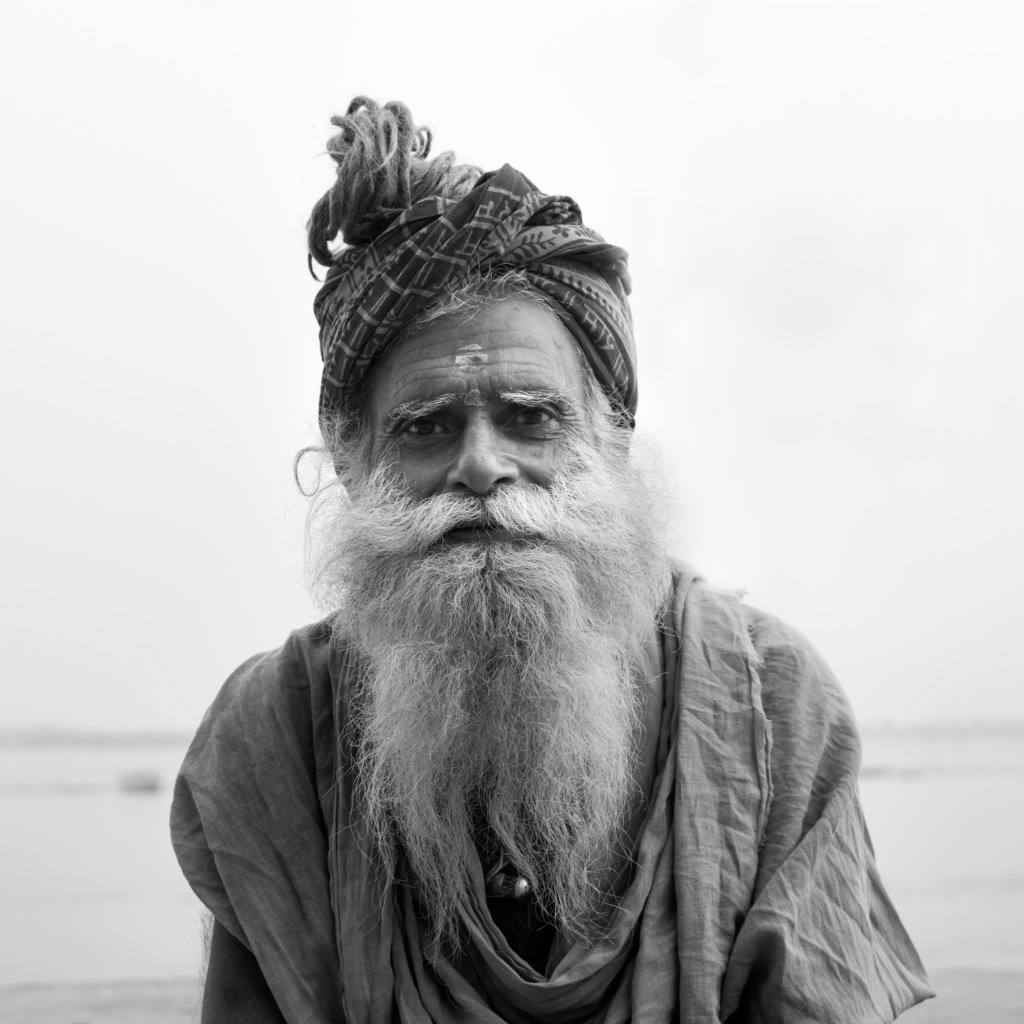
Travelers from every corner of the globe flock to Varanasi, driven by their own personal motivations. Whether young or old, each visitor feels compelled, like me, to experience a pivotal moment of their existence in this extraordinary place. What draws them here? The answer can be distilled into a single, profound truth, a sentiment frequently echoed by the city’s inhabitants: “Everyone must experience Varanasi at least once in their lifetime.”
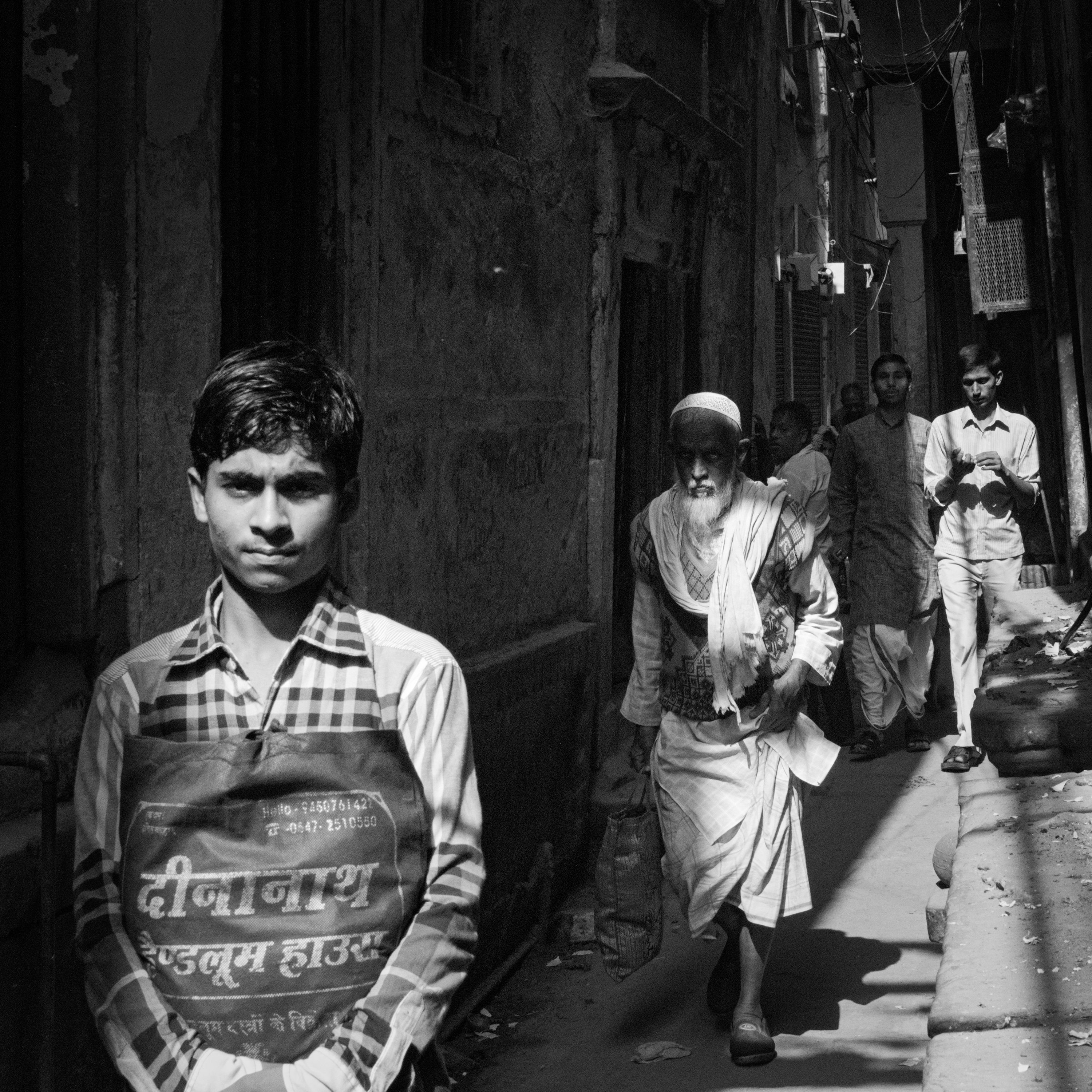
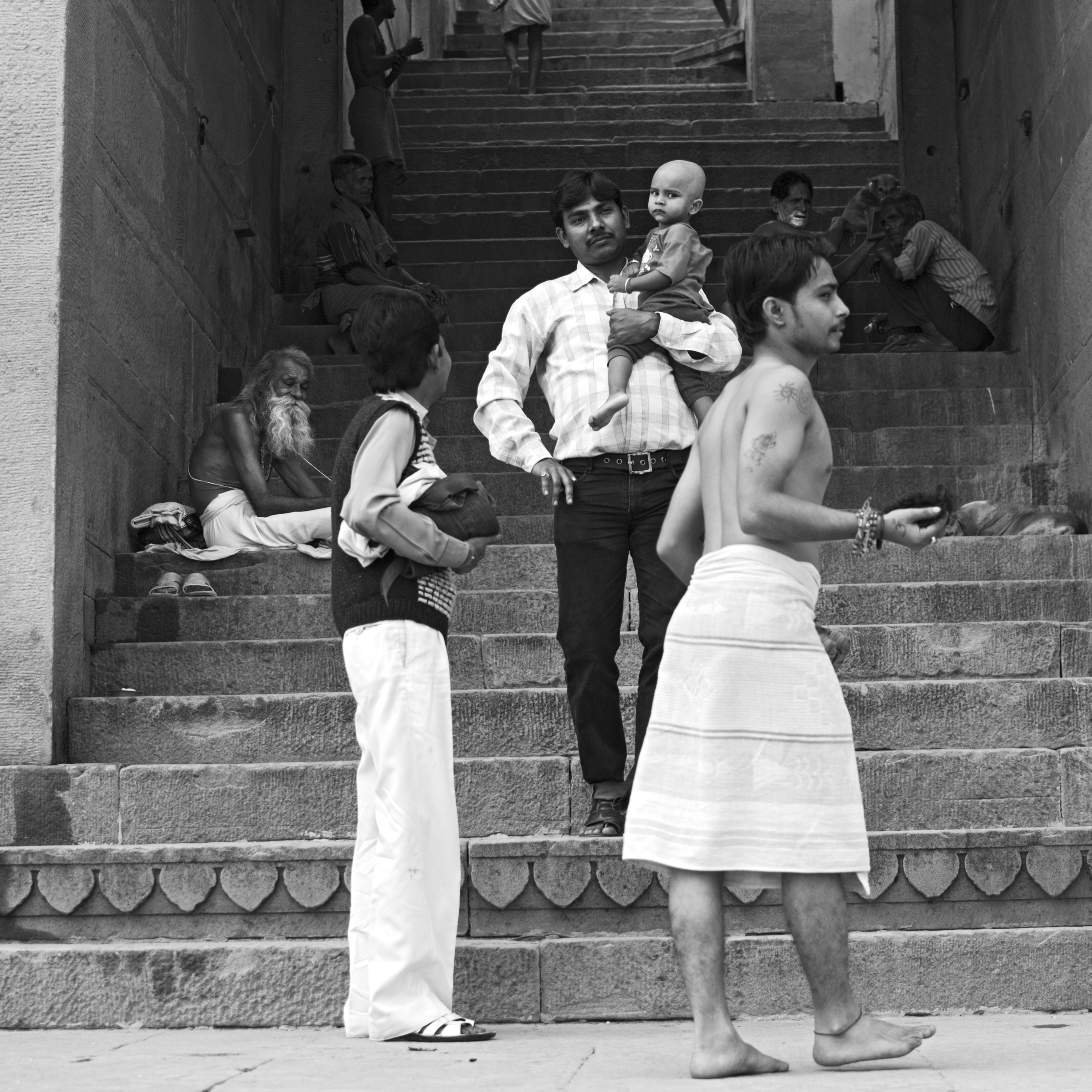
Two months flew by in the blink of an eye. This journey has been nothing short of a deeply personal pilgrimage for me. Despite the appearance of monotony, I can attest that each day has been uniquely profound. The sheer intensity, both physically and spiritually, defies mere verbal expression.
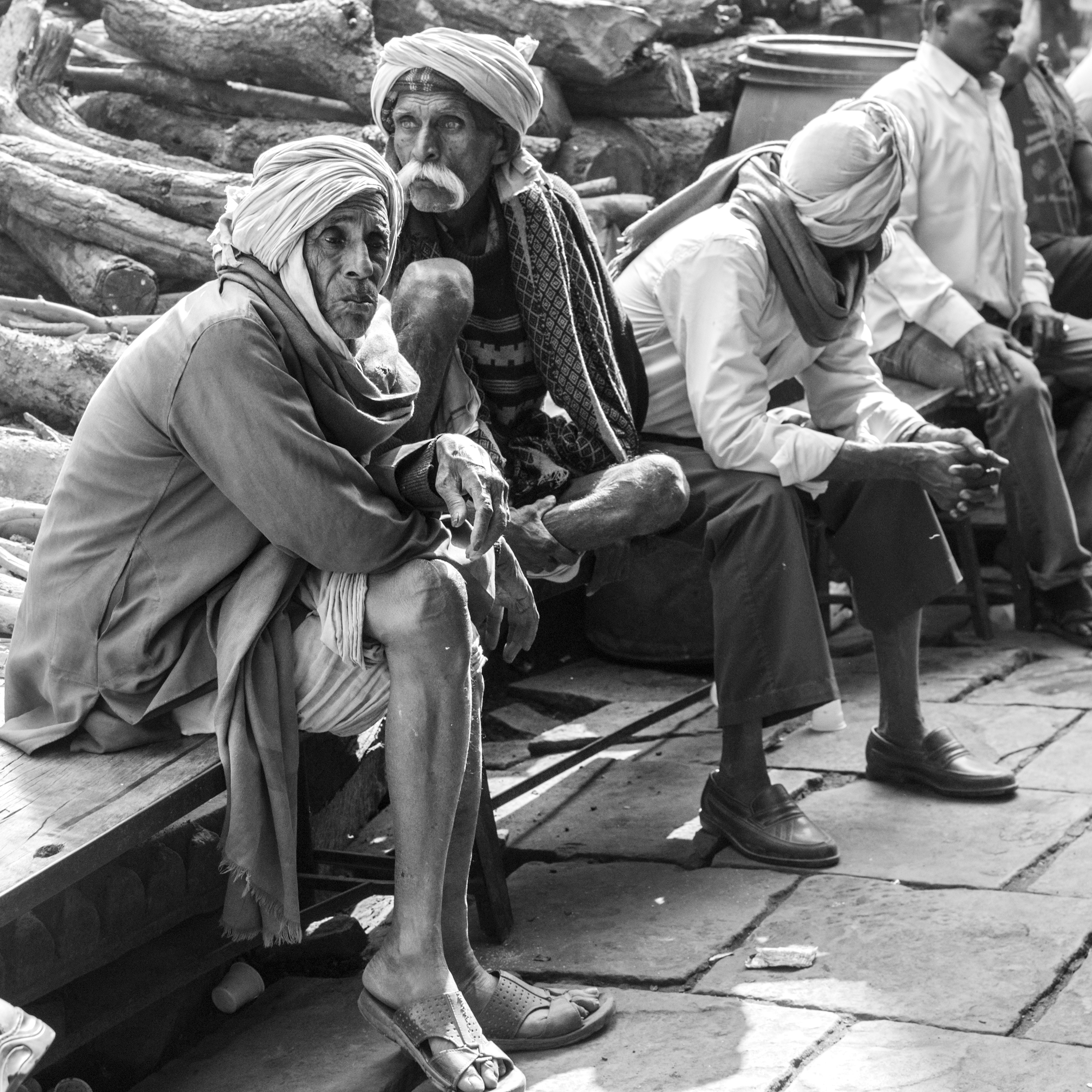

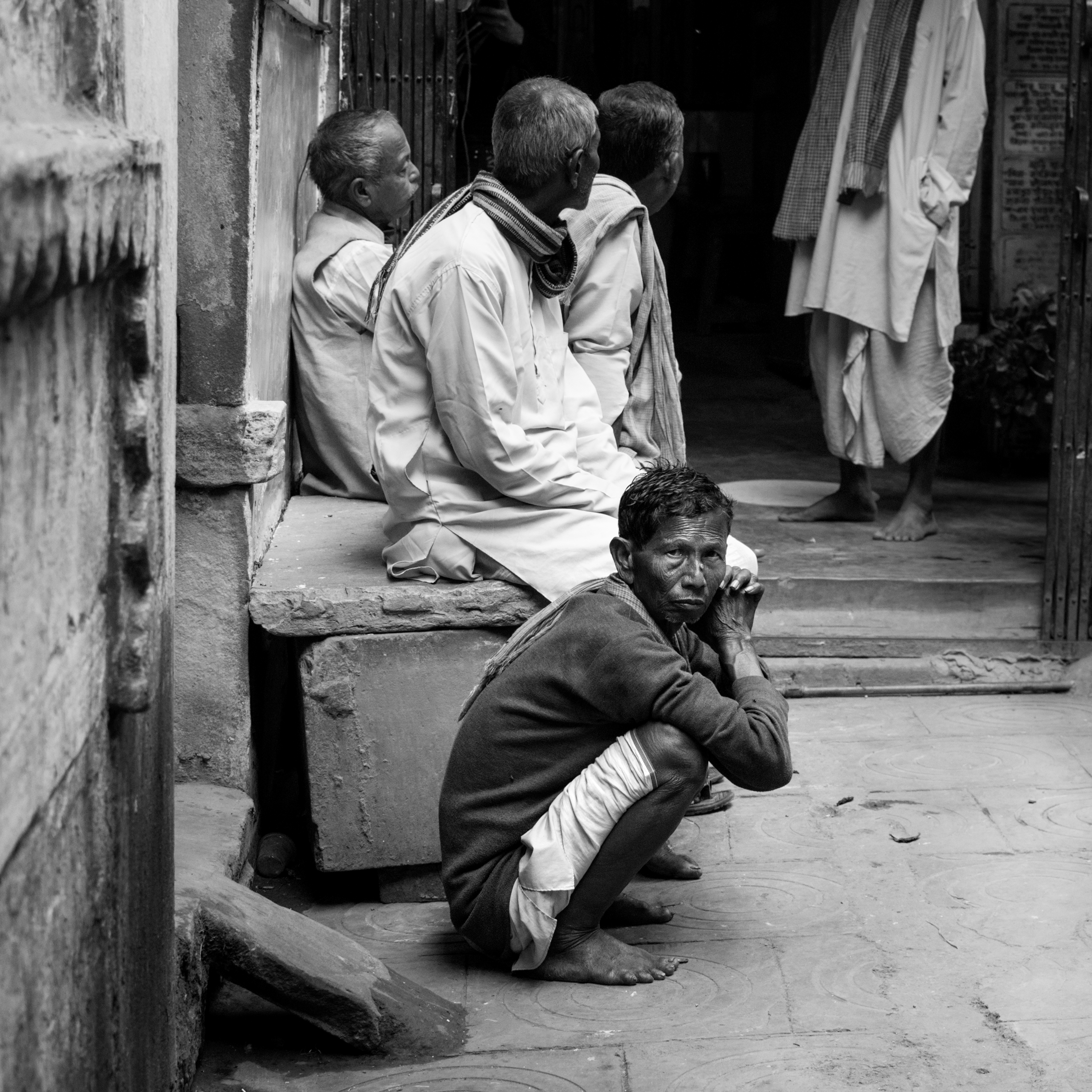
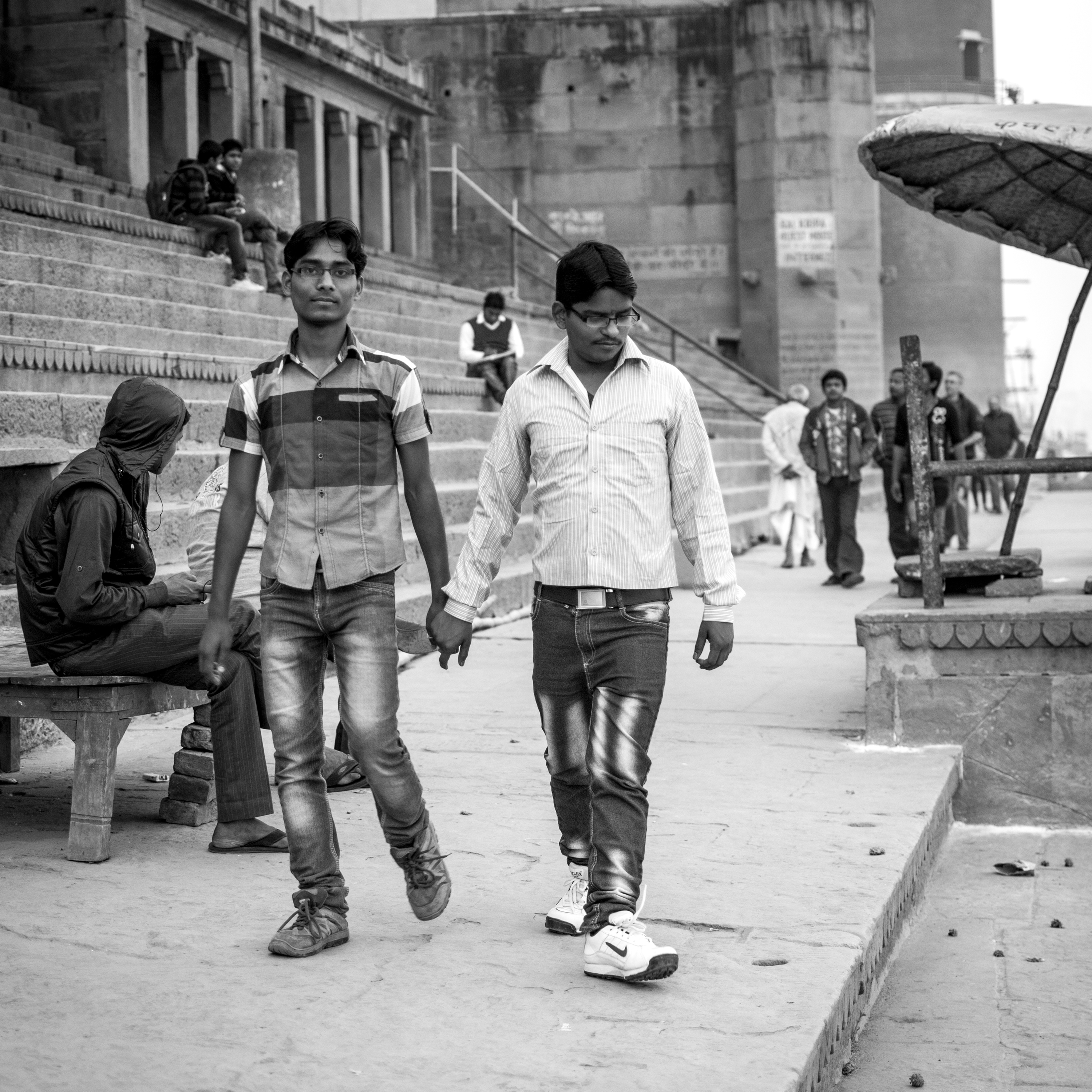
After coming back home, I finally had the chance to fully embrace something I couldn’t while in Varanasi – process all the intense emotions I had experienced. India is unrefined, bursting with contrasts, exceptionally extraordinary, and stunningly beautiful. I adore it just the way it is. I cannot wait to return.
 Nevena Grujic